Intimacy Is Not a Gift, But a Skill to Be Cultivated
Many couples, after the passionate phase of their relationship, often find themselves in a "roommate" trap: living together, yet emotionally distant. We frequently mistake intimacy for a natural byproduct of falling in love, but psychological research suggests it is more akin to a psychological skill that requires consistent effort. According to attachment theory, adult attachment styles adjust in response to environmental changes. Secure attachment is not a static label but is gradually built through responses and feedback in daily interactions. When one partner emits an emotional signal and the other responds with stability and warmth, a sense of safety is nurtured. Conversely, long-term neglect or defensive responses erode the foundation of intimacy.
In managing a marriage, a common error is equating "familiarity" with "intimacy." Familiarity provides comfort and convenience, but intimacy offers the experience of truly seeing and being seen. Familiarity tells you what tea your partner prefers; intimacy helps you understand why they feel vulnerable on a specific late-night hour. Distinguishing between these two is the first step toward regaining intimacy. We must recognize that the core of intimacy lies not in physical union or sweet words, but in deep psychological empathy and emotional resonance.
Micro-Rituals: Anchors Against the Mundane
Rituals are often misunderstood as expensive flowers or grand trips, but in long-term relationships, true ritualistic value stems from repeated, focused, and small daily behaviors. These actions form a "unique language" for the relationship, allowing partners to feel valued even in the ordinary. For instance, a brief hug before leaving the house each morning, or a fifteen-minute conversation after putting away phones before bed, are both powerful rituals.
- Morning Connection:Each morning, instead of discussing to-do lists or bills, spend three minutes sharing a dream from the previous night or a hope for the day. This non-utilitarian exchange quickly establishes an emotional link.
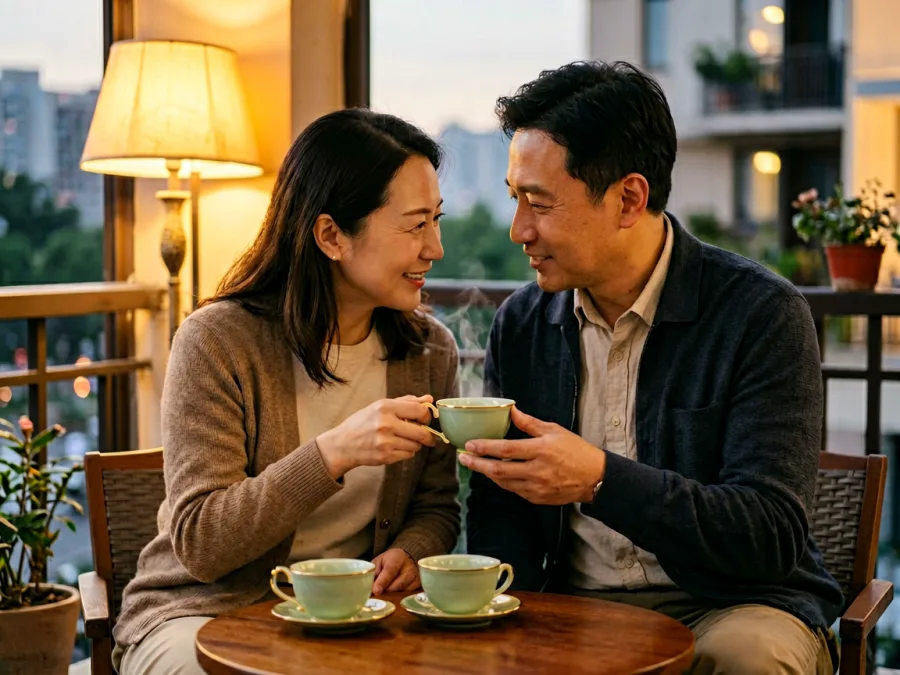
- Dedicated Silent Time:Choose a slot on the weekend where you spend time together in the same room without phones or TV. You can read, draw, or simply drink tea in quiet companionship. The focus is on the quality of "presence," not the activity itself.
The key to ritual lies in "intention" and "consistency." It does not need to be perfect, but it must be persistent. As these small behaviors become habits, they serve as anchors against the trivialities of life, reminding you that beyond the logistics of daily living, there is still each other.
The Power of Solitude: Preserving Boundaries to Deepen Connection
A counterintuitive truth is that high-quality intimate relationships require high-quality solitude. Many partners, when feeling distant, instinctively demand more companionship, which often backfires. According to the theory of self-differentiation, individuals can only remain clear-headed and authentic in their connections with others if they possess independent self-boundaries. Overly fused relationships are prone to chain reactions triggered by one partner’s emotional fluctuations, leading to tension.
Prioritizing personal space is not coldness or avoidance; it is a way to restore psychological energy. When you have time for yourself to engage in passions such as exercise, reading, or daydreaming, you return to the relationship with a more complete sense of self. This state of "abundance" makes interactions lighter and more enjoyable. Couples can agree on weekly "solitude periods" where they do not disturb each other, with no need to report specific whereabouts. Building this trust and sense of boundaries can actually increase mutual respect and curiosity.
“We love each other not because we are complementary, but because we choose to share life from a place of individual wholeness.”
Creativity in Novelty: Exploring the Unknown from a Secure Base
Novelty is a catalyst for intimacy. Neuroscientific research indicates that experiencing new activities together activates the brain's dopamine system, producing pleasure similar to the early stages of romance. This does not mean one must go on polar expeditions; the key lies in combining "novelty" with "difficulty." According to the Yerkes-Dodson law, moderate stress and excitement can enhance memory and emotional connection.
- Shared Challenges:Learn a new skill together, such as pottery, rock climbing, or a new language. The focus should not be on the result, but on how you collaborate, encourage, and communicate when facing difficulties.
- Role Reversal Experiences:Try changing the fixed division of labor in your daily life. For example, let the partner who usually does not do housework take the lead in planning the weekend, or spend half a day swapping work experiences. Shifting perspectives can foster deep understanding and empathy.
The prerequisite for creating novelty is a sense of security. Only on the foundation of secure attachment can exploring the unknown avoid triggering anxiety. If the relationship is in a defensive state, even new experiences may be perceived as threats. Therefore, first repair the connection, then expand the boundaries.
Exercises You Can Start Today
Starting today, you can try the following three specific steps. No special occasion is required; just small actions:
- Today’s “Moment of Appreciation”:Before bed, tell your partner specifically one detail you appreciated about them today (e.g., “Thank you for listening to my work frustrations so carefully today; it made me feel supported”), using the Nonviolent Communication formula: Observation + Feeling + Need + Request.
- Establish a “Phone-Free Zone”:Designate a physical boundary at home, such as the dining table or living room, where electronic devices are put away upon entering. Tonight during dinner, try implementing this rule, focusing on savoring the food and making eye contact with your partner.
- Initiate a Micro-Adventure:After work tomorrow, instead of taking your usual route home, choose an unfamiliar street and walk for ten minutes, inviting your partner to join. During the walk, discuss only “things that have recently surprised or intrigued you,” without judgment, just sharing.
Maintaining intimacy is not a marathon, but a series of sprints. Every focused gaze, every sincere act of listening, and every small shared adventure deposits emotional funds into your marital bank account. Believe that it is in these seemingly ordinary daily moments that the most solid foundation of love is built.


