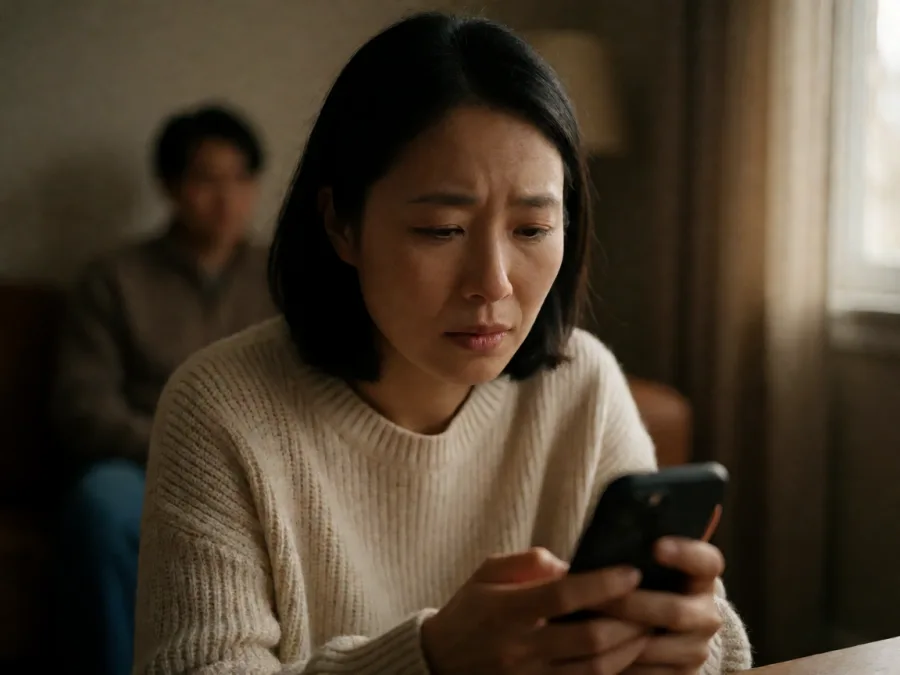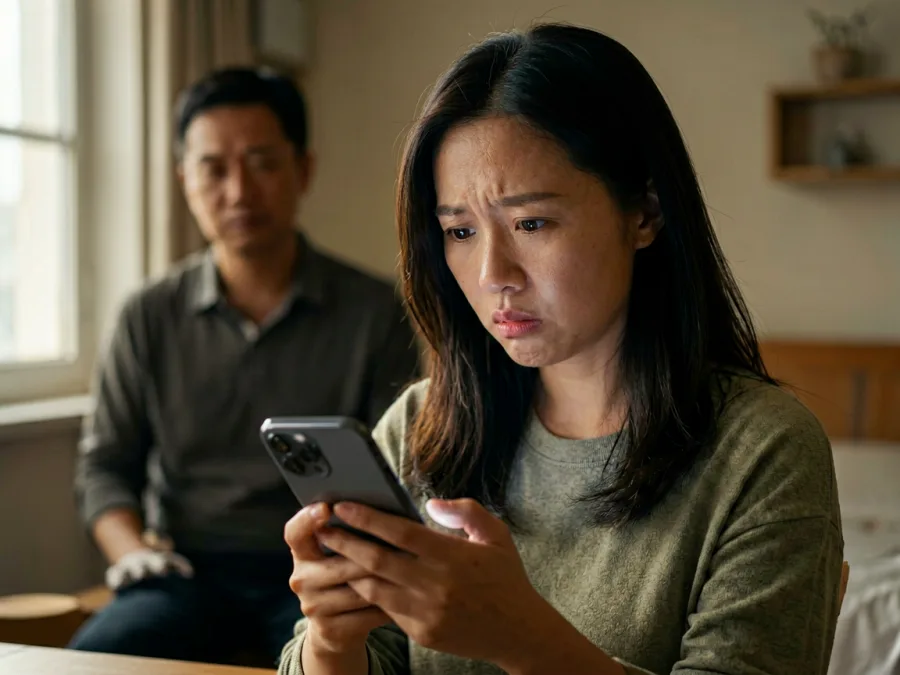
In intimate relationships, jealousy is an emotion that is highly damaging yet often stigmatized. Many people, once they realize they are feeling jealous, react with immediate shame: “Am I being too petty?” “Do I simply not trust my partner enough?” This self-judgment is often more painful than the jealousy itself. In reality, jealousy is not entirely “wrong.” It functions more like a warning light, signaling that unsoothed fears are at work within us.
I. Jealousy Is Not an Evil Act; It Is the Mask of Fear
From a psychological perspective, jealousy rarely springs into existence out of thin air. It usually points to deep-seated insecure attachment. When an individual has long lacked consistent emotional responsiveness in childhood or previous relationships, they are prone to developing anxious attachment traits. In the inner world of such individuals, a partner’s attention is synonymous with survival safety. Consequently, when a partner displays friendliness, engagement, or independence toward others, the anxious individual does not merely feel disappointed; they trigger a profound fear of “abandonment.”
Jealousy is, in fact, a defense mechanism for this fear. On the surface, we may seem to be jealous of “the third party” or our partner’s “distraction,” but in reality, we are jealous of that version of ourselves who is “not chosen first.” This emotion is a mix of helplessness, shame, and panic over potential loss. Acknowledging this is the first step in dissolving jealousy: you do not need to feel ashamed of your fears, because they are the instinct of your self-protection.
II. Decoding Jealousy: Finding Unmet Needs
To truly understand jealousy, we need to use the “observation-feeling-need-request” model from Nonviolent Communication (NVC). Jealousy is a complex collection of emotions; we need to break it down into specific, single emotions. When you feel jealous, try asking yourself: What exactly am I feeling right now? Is it anger, sadness, fear, or shame? Behind these emotions, what are my core needs?
Common core needs include:
- Intimacy: I need more frequent physical contact or emotional exchange.
- Security: I need reassurance that our relationship is stable and that we won’t suddenly part ways.
- Being Seen and Valued: I hope that even in a crowd, you will notice me and give me a special signal.
- Fairness: I worry that the energy we invest in the relationship is not evenly matched.
Only by breaking down vague “jealousy” into specific “needs” can expression become clear and constructive, avoiding placing a feeling of being accused on the other person.
III. Constructive Expression: From Accusation to Invitation
Traditional expressions of jealousy are often accusatory: “You never keep me in mind!” or “What does it mean that you’re so close with her?” These words fall under “violent communication” because they contain malicious speculation and judgment about a partner’s intent. This manner of expression usually puts the partner on the defensive, leading them to either fight back or become cold, thereby validating the jealous person's fears and creating a vicious cycle.
Constructive expression, on the other hand, invites the partner to participate in addressing inner vulnerability. You can try using the following sentence structures:
- 1. Describe the Facts (Non-judgmental): “At the party just now, you chatted very happily with Xiao Li, and you both laughed together.”
- 2. Express the Feeling (Specific): “Seeing that, I suddenly felt a wave of sourness in my heart and felt very insecure.”
- 3. Articulate the Need (Connecting to Emotion): “Because I’ve been going through big changes at work recently and I’m feeling quite fragile, I really crave more of your attention and assured love.”
- 4. Make a Request (Actionable): “Next time we are together, could you occasionally hold my hand, or just look at me a bit more while we talk?”
Note that the request must be specific and observable behavior, not an abstract concept like “just love me more.”
IV. Self-Soothing: Building an Internal Safe Base
While communication is important, relying entirely on a partner to heal inner insecurity is unsustainable and unfair. A mature intimate relationship is two complete circles intersecting, not one circle filling the void of the other. Therefore, building the ability for self-soothing is crucial.
You can try internalizing the energy of jealousy and engaging in self-dialogue. When jealousy wells up, don’t suppress it; instead, treat it as you would treat a frightened child. Tell yourself: “I know you are scared because you are afraid of being left behind. But I am safe, and my value does not depend on who my partner is looking at right now.”
Additionally, cultivate the capacity for solitude. Jealousy often erupts most violently when two are alone or when one acts independently. Developing your own hobbies, social circle, and life rhythm can reduce excessive dependence on others, thereby lowering the frequency and intensity of jealousy at the root. True security ultimately comes from your confirmation of your own vitality.
Exercises You Can Do Immediately
1. Jealousy Journal
When jealousy arises, take out a piece of paper and write down: ① The triggering event (objective description); ② Bodily sensations (e.g., chest tightness, rapid heartbeat); ③ Deep emotions (sadness/anger/shame); ④ The underlying core need. This step is for self-awareness only, not for external expression.
2. The “Vulnerability” Expression Experiment
The next time you feel mild jealousy, try using nonviolent communication phrases, focusing on “my vulnerability” rather than “your mistake.” For example, replace “You’ve been close with Person A lately. Does that mean you don’t care about me?” with “Seeing you interact with Person A makes me feel a bit unsettled, because I really need your reassurance lately. Could we talk about it?” Observe how the other person’s reaction changes.
3. Daily Self-Soothing Ritual
Set aside 10 minutes of “alone time” every day. During this time, do not check your partner’s social media; do only what reassures you (such as reading, meditating, or tidying your room). Tell yourself: “I have the ability to take care of my own emotions. I do not need to control my partner to find peace.”