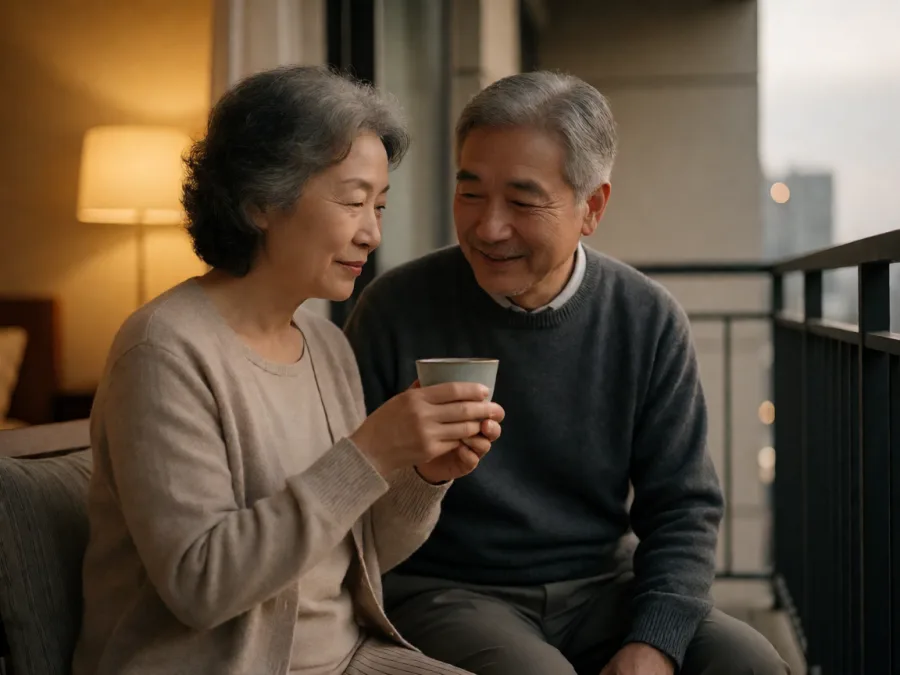
In long-term intimate relationships, many people experience a hard-to-define sense of "numbness." After the initial passion fades, life can feel like a mechanical cycle: work, go home, eat, sleep. This ordinariness is not a mistake, but it can erode the emotional connection between two people. In psychology, intimacy is more than physical proximity; it’s about mutual understanding, acceptance, and emotional resonance. Maintaining this sense of intimacy requires us to take active steps, rather than passively waiting for love to just happen.
The Essence of Ritual: Creating Shared Memory Anchors
Rituals are often misunderstood as expensive gifts or grand celebrations. However, in relationship psychology, the core of ritual lies in “repetition” and “exclusivity.” When partners engage in specific behaviors together, those acts become symbolic emblems of their emotion. Whether it’s making breakfast together or a fixed walk on weekends, these seemingly small, repeated actions are constantly sending a signal to each other: I see you, I value you, and our relationship is special.
- Micro-daily Rituals: You don’t need grand plans. For instance, a hug before leaving the house every morning, or sharing one funny thing that happened during the day before bed.
- Milestone Celebrations: Don’t just mark your wedding anniversary. Celebrate your first date, the day you moved into your new home, or a time you overcame a difficulty together. These “micro-milestones” build emotional depth more effectively than annual major events.
- Exclusive Language & Inside Jokes: Create nicknames, memes, or code words that only the two of you understand. This exclusive internal language strengthens a sense of belonging, making the outside world feel like “others,” while you remain a unique system.
Rituals aren’t for showing off to anyone. They are for allowing us to treat each other’s lives with sincerity and importance on that specific day.
The Necessity of Solitude: Maintaining Individual Wholeness
Adlerian individual psychology points out that healthy intimate relationships are built between two independent, complete individuals. In long-term relationships, the most common trap is “symbiotic dependency,” where one or both partners abandon their personal boundaries and fully merge into each other’s lives. While merging brings a sense of security, it also stifles vitality. Maintaining personal space for solitude isn’t about emotional distance; it’s about preserving individual life force so you have the energy to nourish the relationship.
When a person has their own interests, social circle, and time alone, they bring a richer, more authentic self back into the relationship. This sense of “I” and wholeness keeps a partner’s curiosity alive. Conversely, if one person is entirely dependent on the other, the relationship easily falls into a state of tedious, draining codependency.
Rebuilding Novelty: Breaking the Numbness of Predictability
Neuroscience research shows that the human brain “habituates” to familiar environments and stimuli, leading to a decrease in excitement. In long-term relationships, this habituation manifests as emotional numbness. To rebuild a sense of novelty, the key isn’t just about seeking sensation, but about exploring the unknown together.
- Try New Skills Together: Learn to cook a new dish, pick up a new language, or watch a movie genre you’ve never tried before. The focus is on the “shared experience.” The challenges and collaboration during the process reactivate dopamine release.
- Disrupt the Routine: Occasionally change your route home, try a restaurant you’ve never visited, or take a short trip on a non-weekend day. Small surprises effectively break the monotony of daily life.
- Deep Self-Disclosure: Share your recent internal struggles, fears, or dreams. Over time, people tend to only display their stable side. Moderately and safely displaying vulnerability can quickly close the psychological distance, allowing your partner to see the you that is constantly growing and changing.
Nonviolent Communication for Post-Conflict Repair
Maintaining intimacy isn’t just about smooth times; it’s also reflected in your ability to repair the relationship after adversity and conflict. When misunderstandings or arguments occur, using the four elements of Nonviolent Communication (NVC)—observation, feeling, need, and request—can prevent the relationship from breaking down. For example, instead of saying “You are always so self-centered,” say “When I saw you put your phone on the table and keep checking messages (observation), I felt a bit neglected (feeling), because I need us to have some focused conversation time (need). Would you be willing to put your phone on silent during meals? (request)”
“Repair attempts” after a conflict are a vital indicator of relational health. Even a humorous look or a light touch can signal to your partner that “we are on the same team,” thereby transforming opposition into connection.
Exercises You Can Start Immediately
To bring these concepts to life, try the following specific, low-barrier exercises. They don’t require your partner’s intense cooperation; just you taking the first step:
- The “30-Minute Phone-Free” Rule: Set aside a specific time (e.g., Sunday evening after dinner), put down all electronic devices, and do only two things: look into each other’s eyes, or quietly listen to a song together. The focus is on being “present.”
- The “Highlight Moment” Journal: Keep a small notebook. Once a week, record one small thing your partner did that made you feel warm or that you appreciated. On Friday, proactively tell them: “I noticed you did this last week, and it made me really happy.”
- A Shared New Experience: Plan a simple activity neither of you has done before, like exploring an unfamiliar park or cooking a recipe you’ve never tried together.
Intimacy is not a static state, but a dynamic process. It requires us to tend to it like a garden: we need the sunlight of passion and novelty, the space for solitude to let the roots grow, and the pruning of ritual to keep the branches upright. Starting today, try to inject your unique, shared intention into these small, everyday moments.


