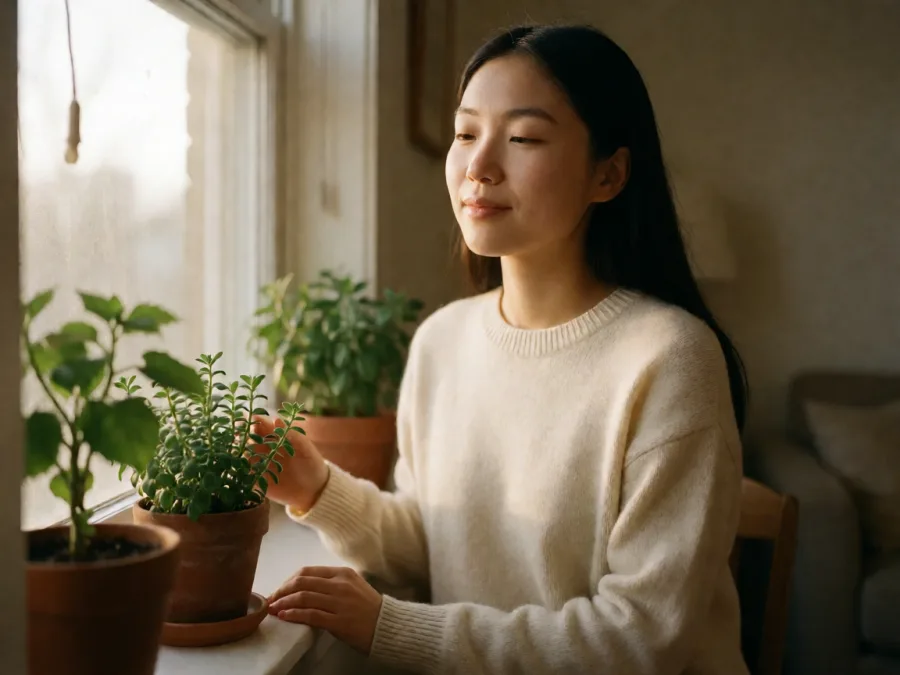
Why Solitude Is the Core Asset of Your Single Phase
Many people view being single as a mere “waiting period,” constantly scanning for the entry point to the next relationship. However, psychological research reveals that the capacity for high-quality solitude forms the bedrock of healthy self-boundaries within intimate relationships. If you feel empty, anxious, or even urge yourself to start a new relationship to manage your distress when you are alone, it indicates that your internal support system has not yet been fully established.
This course does not judge your single status. Instead, it focuses on “how to make the most of this time.” We will unpack the essential difference between “solitude” and “loneliness,” identify the specific triggers that push you to rush into a relationship, and transform those moments into opportunities for deep self-observation.
Building a Self-Worth System That Doesn’t Depend on a Partner
Outside of a relationship, we often lack a stable source of self-worth. The middle section of the course will guide you in establishing an “internal scoreboard.” This includes:
- Identifying your core needs: Is it companionship, validation, or mutual growth?
- Distinguishing “the need for love” from “the craving for qualification”: Are you seeking security, or are you trying to confirm that you are worthy of being loved?
- Practicing self-validation: How can you affirm your existence without relying on your partner’s feedback when you’re feeling down?
This stage is about “understanding.” The focus is on seeing through psychological motivations rather than changing behaviors.
Practical Exercises to Transform Loneliness into Nutrients for Growth
In the final stage, we move into the “practice” module. We will provide concrete solitude training plans, such as the “deep reflection method for your emotional journal” and “15-minute micro-habits for self-growth.” The goal of these exercises is not to make you “stronger,” but to make you “more authentic.” Through recording and reflecting, you will learn to coexist with your negative emotions instead of viewing them as illnesses that need to be cured by someone else (your partner).
“Only when you can thrive on your own do you become more lovable. This isn’t coldness; it is the foundation of mature intimacy.”
How to Avoid the “Relationship-Filling” Trap
Many people feel unsettled during their single period because they treat their partner as an “emotional painkiller.” Once this need is identified, what we learn is “delayed gratification” rather than “suppressing the need.” Through cognitive reframing techniques, the course helps you press pause when you’re itching to flirt, rekindle an old flame, or quickly jump into the next relationship—giving yourself time to complete a self-soothing process first.
This course is suitable for anyone currently single or anyone who realizes they are overly dependent in their relationships. It doesn’t offer a playbook for romance; it offers the confidence to stand on your own feet.