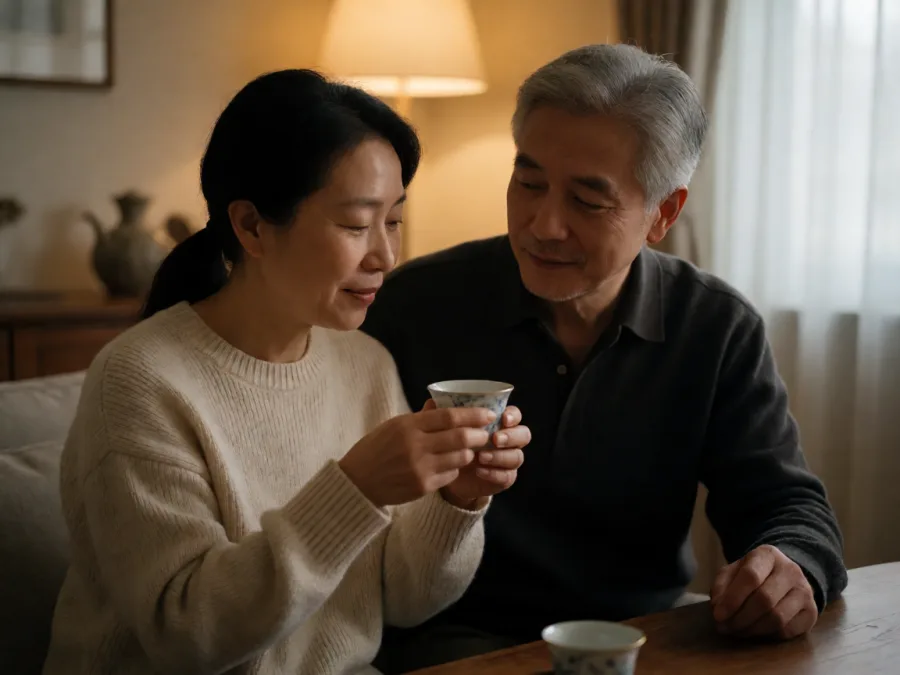
In long-term relationships, the fading of passion is a natural progression of both physiological and psychological development. However, becoming “roommates” is rarely caused by time alone; it is usually the result of rigid interaction patterns. When daily communication is reduced to mere logistical coordination, and personal space is surrendered to excessive fusion, novelty loses the soil in which it can grow. This course provides a systematic maintenance framework, helping partners reshape the dynamic balance of their relationship—from mindset to behavior.
1. Redefining the Value of Rituals
Many couples mistakenly believe that ritual only exists during anniversaries or holidays. In reality, it serves as a “memory anchor” for everyday relationships. True ritual is not about how much money is spent, but about using repeated, emotionally warm behaviors to subconsciously mark “we are special.” Whether it’s a hug before leaving the house every morning or a fixed meal on weekends, these small consistencies provide a secure foundation for the relationship. We need to transform ritual from an “extra burden” into an “emotional practice” by designing executable micro-rituals for daily life, preventing the relationship from losing its edge through triviality.
2. Solitude as a Buffer for Intimacy
The phrase “we need space” is often misunderstood as distance, or even becomes the spark for a cold war. Yet, a healthy intimate relationship must include “standing side by side” rather than “overlapping.” Solitude is not just physical separation, but a psychological space for self-repair. When an individual feels suffocated in a relationship, it is often because they have lost their personal boundaries. This course teaches how to communicate “needs for solitude,” framing it as a sign of respect for the relationship rather than rejection. By establishing designated “time alone” or “individual hobby time,” partners can maintain their individual integrity while returning to the relationship with more abundant emotional energy, avoiding the depletion caused by over-dependence.
3. Sustainable Design of Novelty
Novelty is not the same as stimulation, and it certainly does not mean seeking a new partner. Psychological research indicates that facing new challenges together (rather than just entering new environments) significantly activates dopamine release, mimicking the neural reactions of being in love. However, without “focused attention,” novelty easily becomes a superficial tour. We will introduce an “attention checklist,” emphasizing the importance of maintaining sensitivity to each other’s reactions during shared experiences. Whether trying a place you’ve never visited or learning a new skill together, the key lies in deep interaction and emotional vulnerability during the process. By consciously breaking “automatic responses,” partners can see new sides of each other, thereby keeping the spark of attraction alive.
4. Practical Implementation: From Mindset to Action
Understanding the principles is only the first step; real change happens in the gaps of daily interactions. The final section of this course provides specific execution tools:
- Ritual Design Sheet:Used to identify missing “connection points” in your current relationship and customize rituals unique to your couple.
- Space Communication Scripts:Provides examples of non-violent communication language to help express boundaries without triggering your partner’s defense mechanisms.
- Novelty Audit:Review shared experiences from the past three months, identify periods of “autopilot,” and plan the next “conscious” shared adventure.
Through this learning path, participants will no longer be anxious about the abstract question of “do we still love each other?” Instead, they will master concrete operational methods, ensuring that their long-term relationship retains breath and vitality as time passes.